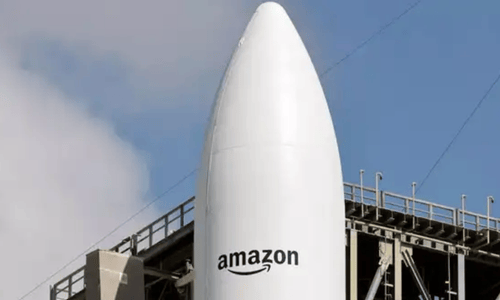
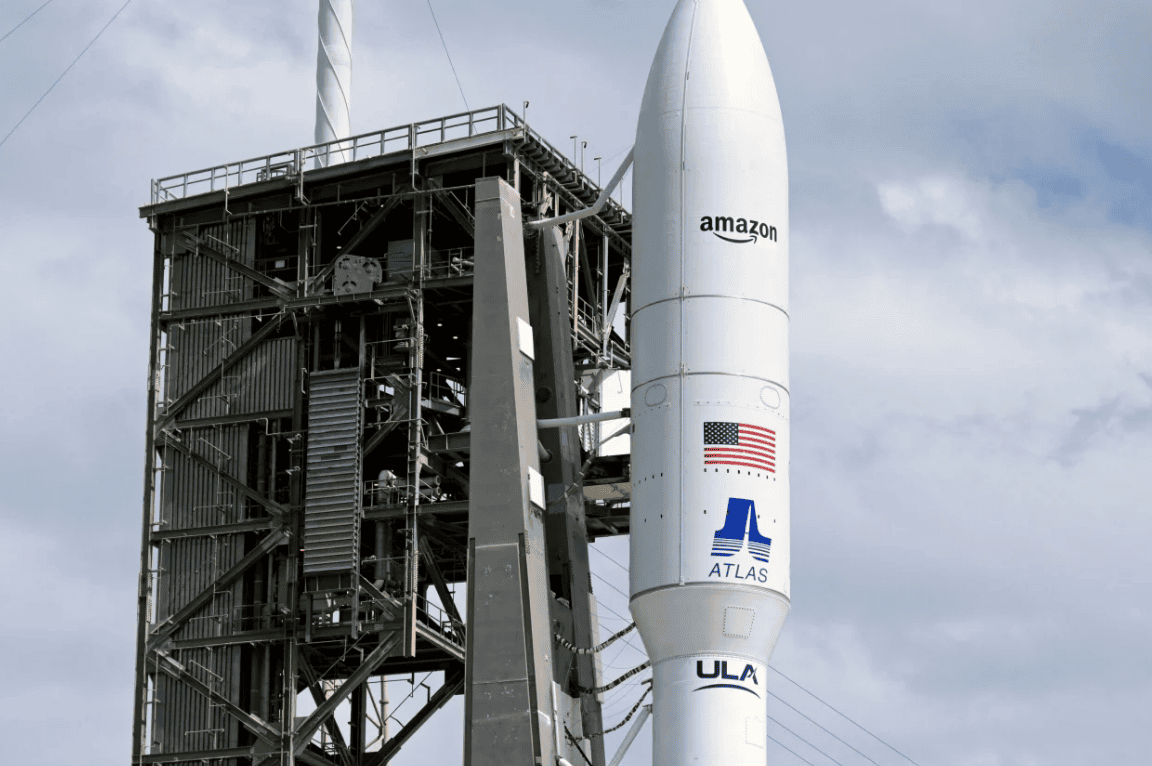
Amazon has officially entered the space race. On April 28th, 2025, the retail and tech giant launched its first 27 Project Kuiper satellites into low-Earth orbit, taking the first big leap in its $10 billion effort to build a global satellite internet service — and directly compete with Elon Musk’s Starlink. This inaugural deployment is the beginning of a much larger plan: a constellation of 3,236 satellites that will eventually blanket the globe with high-speed, low-latency internet. The launch, which took place at Florida’s Cape Canaveral Space Force Station aboard a United Launch Alliance (ULA) Atlas V rocket, is one of 80 missions Amazon has lined up to make Project Kuiper a reality. “While this is the first step in a much longer journey… it represents an incredible amount of invention and hard work,” said Amazon CEO Andy Jassy on...
Amazon has officially entered the space race. On April 28th, 2025, the retail and tech giant launched its first 27 Project Kuiper satellites into low-Earth orbit, taking the first big leap in its $10 billion effort to build a global satellite internet service — and directly compete with Elon Musk’s Starlink.
This inaugural deployment is the beginning of a much larger plan: a constellation of 3,236 satellites that will eventually blanket the globe with high-speed, low-latency internet. The launch, which took place at Florida’s Cape Canaveral Space Force Station aboard a United Launch Alliance (ULA) Atlas V rocket, is one of 80 missions Amazon has lined up to make Project Kuiper a reality.
“While this is the first step in a much longer journey… it represents an incredible amount of invention and hard work,” said Amazon CEO Andy Jassy on X, celebrating the milestone.
With the growing demand for reliable internet access in remote and underserved regions, Amazon is stepping up to challenge SpaceX’s dominance. Starlink currently has over 7,200 satellites in orbit and is pushing toward an ambitious goal of 12,000, with regulatory approval for a staggering 34,400. In comparison, Amazon has until mid-2026 to launch at least 1,618 Kuiper satellites under FCC deadlines — meaning the clock is ticking.
Though the numbers don’t favor Amazon yet, it’s clear the company is serious. The newly deployed satellites, now orbiting 280 miles (450 km) above Earth, are confirmed to be operational and communicating with ground stations. If all continues as planned, Amazon expects to begin delivering satellite broadband service later this year.
What Sets Kuiper Apart?
While SpaceX has a significant head start, Amazon brings its own strengths to the table. With nearly unmatched logistics infrastructure, massive cloud computing power through AWS, and deep financial resources, Amazon is positioning Kuiper not just as a connectivity solution — but as an ecosystem.
Tory Bruno, CEO of ULA, emphasized the broader impact of this launch:
“This marks the first step toward the future of our partnership and increased launch cadence... one that benefits commercial and government customers alike.”
Amazon’s entry also opens up new competition in a space previously dominated by just one or two players. Other international companies like Eutelsat (France) and Spacesail (China) are also eyeing the low-Earth orbit real estate, making the satellite internet sector more crowded — and more competitive — than ever before.
It’s important to note that while this is a milestone, Amazon still has a lot of ground — or space — to cover. Starlink has completed its 50th launch of 2025 and reached a total of 250 Starlink missions. That level of operational momentum makes it clear Amazon will need more than just satellites in orbit to catch up. It’ll need scale, speed, and a solid user experience.
Still, the Kuiper launch signals a broader shift in the space internet landscape. With major tech players investing billions in orbital infrastructure, the race to connect the world from above is officially on.

Solana’s Worth in Future: What Could 1 SOL Be Worth?
How to Wake Up the System From Sleep Mode on Any Computer
The Mokacam 4K Sports and Action Camera: Tiny but Powerful
How to Choose the Best Document Scanner for Your Needs