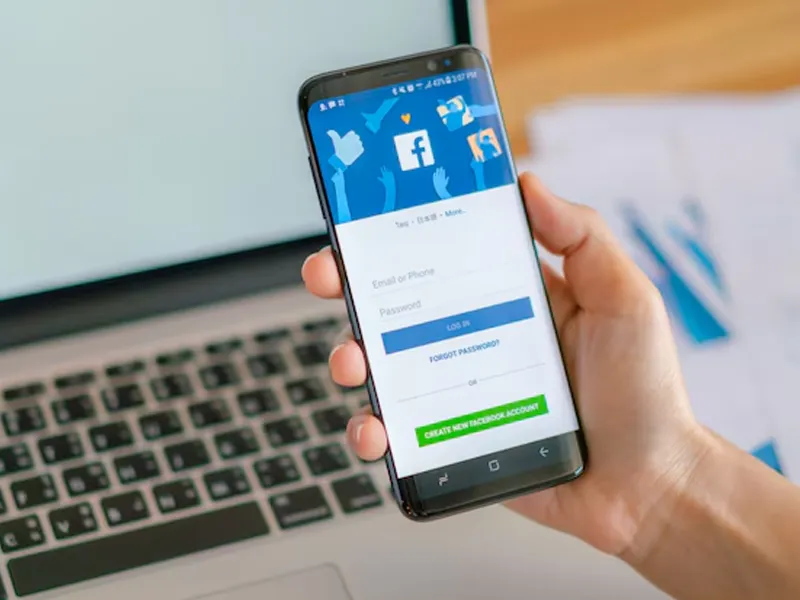
Facebook and YouTube are two of the most visited websites worldwide, but not everyone can access them. Several countries restrict or outright ban these platforms for political, security, or cultural reasons. In this article, we’ll look at the countries that ban Facebook and YouTube today, why they do it, and the technological impact of such decisions. Why Do Countries Ban Facebook and YouTube? Governments usually block or restrict these platforms due to: Political control: To suppress protests, opposition, or “undesirable” content. National security concerns: To prevent the spread of misinformation or coordinate illegal activities. Cultural/religious reasons: To limit content seen as offensive or inappropriate. These bans are often implemented at the ISP (internet service provider) level or via national firewalls. Countries That Ban Facebook (as of 2025) China – Facebook has been blocked since 2009 following riots in Xinjiang. The...
Facebook and YouTube are two of the most visited websites worldwide, but not everyone can access them. Several countries restrict or outright ban these platforms for political, security, or cultural reasons. In this article, we’ll look at the countries that ban Facebook and YouTube today, why they do it, and the technological impact of such decisions.
Why Do Countries Ban Facebook and YouTube?
Governments usually block or restrict these platforms due to:
- Political control: To suppress protests, opposition, or “undesirable” content.
- National security concerns: To prevent the spread of misinformation or coordinate illegal activities.
- Cultural/religious reasons: To limit content seen as offensive or inappropriate.
These bans are often implemented at the ISP (internet service provider) level or via national firewalls.
Countries That Ban Facebook (as of 2025)
- China – Facebook has been blocked since 2009 following riots in Xinjiang. The country promotes its own platforms like WeChat and Weibo.
- Iran – Facebook remains restricted, although some citizens use VPNs to access it.
- North Korea – All foreign social media platforms are banned. Only the state-run intranet is available.
Countries That Ban YouTube (as of 2025)
- China – YouTube has been blocked since 2009.
- North Korea – No public access to YouTube or other foreign media.
- Iran – YouTube is officially blocked but widely accessed through VPNs.
- Pakistan - Has repeatedly banned YouTube temporarily over religious or political content (though as of now it’s mostly open).
Note: Bans may be total or partial. Some governments block only specific videos, while others block entire domains.
Temporary Bans and Content Restrictions
Even in countries where Facebook and YouTube are normally accessible, temporary shutdowns occur. For example, during elections or mass protests, governments may order ISPs to throttle or block these services.
How People Bypass These Bans
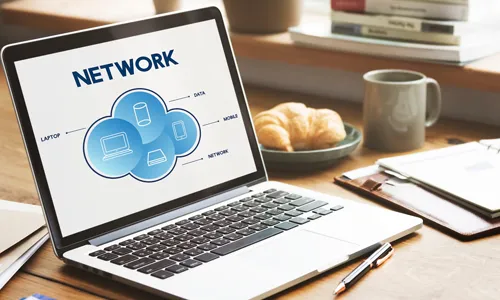
While governments restrict access, tech-savvy users often rely on:
- VPNs (Virtual Private Networks) to bypass regional firewalls.
- Proxy servers to mask their locations.
- Alternative platforms like Telegram, TikTok, or local equivalents.
However, using VPNs may also be illegal in some countries, so it’s crucial to understand the local laws.
FAQs
1. Which countries have permanently banned Facebook and YouTube?
China, Iran, and North Korea are the main countries with long-term bans on both platforms.
2. Why do governments ban social media platforms?
They cite reasons like political stability, national security, or offensive content.
3. Can you legally use VPNs in banned countries?
Not always. Some countries also restrict or criminalize VPN use.
4. Are there alternatives to Facebook and YouTube in banned countries?
Yes. China has WeChat and Weibo instead of Facebook, and Youku instead of YouTube. Russia promotes VKontakte as its Facebook alternative.
5. Will these bans ever be lifted?
It depends on diplomatic, political, and economic changes. Some bans have been lifted temporarily in the past.
Technology’s Impact on Access
These bans raise significant debates around freedom of speech, censorship, and the digital divide. They also push people toward alternative technologies and apps, boosting the development of homegrown platforms like China’s Youku or Russia’s VKontakte.
Key Takeaways
- Facebook and YouTube are not globally accessible. Major countries like China, Iran, and North Korea maintain strict bans.
- Temporary restrictions can happen anywhere, even in democracies.
- Technology offers workarounds, but legal risks exist.

Solana’s Worth in Future: What Could 1 SOL Be Worth?
How to Wake Up the System From Sleep Mode on Any Computer
The Mokacam 4K Sports and Action Camera: Tiny but Powerful
How to Choose the Best Document Scanner for Your Needs