You’ve had your phone for a few years, and lately… things just don’t feel the same. It freezes unexpectedly, the battery barely makes it through lunch, and apps take forever to load. Sound familiar? Then it may be time for a new phone. But hold on — before you sprint to the nearest store or hit that “Buy Now” button online, let’s break it down. Below are the key signs that indicate your phone is no longer serving you, plus a smart quiz and expert tips on the best time to buy a new device. 1. Your Battery Life Is Practically Nonexistent Even with minimal use, if your battery drains drastically — say, from 100% to 30% in a couple of hours — it’s one of the most common signs to buy a new phone. Lithium-ion batteries typically degrade after...
You’ve had your phone for a few years, and lately… things just don’t feel the same. It freezes unexpectedly, the battery barely makes it through lunch, and apps take forever to load. Sound familiar? Then it may be time for a new phone.
But hold on — before you sprint to the nearest store or hit that “Buy Now” button online, let’s break it down. Below are the key signs that indicate your phone is no longer serving you, plus a smart quiz and expert tips on the best time to buy a new device.
1. Your Battery Life Is Practically Nonexistent
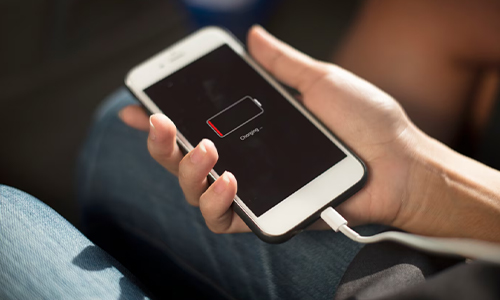
Even with minimal use, if your battery drains drastically — say, from 100% to 30% in a couple of hours — it’s one of the most common signs to buy a new phone. Lithium-ion batteries typically degrade after 500 charge cycles, which is roughly 1.5–2 years of daily charging.
Temporary Fix
You could replace the battery (especially if you're using an iPhone or certain Samsung models), but if the device is older than 3 years, a new phone might be more cost-effective.
2. Software Updates Are No Longer Supported
When your phone stops receiving Android or iOS updates, you’re not just missing out on cool features — you’re missing out on critical security patches. If you're wondering when to replace your Android phone, this is a major factor.
Most Android phones get updates for 3–5 years. iPhones fare a bit better with 5–6 years of support. Beyond that, you're vulnerable to cybersecurity risks.
3. Apps Are Glitching or Crashing Constantly

Can’t open Instagram? Spotify crashes mid-playlist? It’s a clear sign your phone’s processor or RAM is struggling to keep up. As apps are updated for newer devices, older phones simply can’t handle the load.
If this is a frequent issue, ask yourself: when should you get a new phone? If your current device is more frustration than function, it’s probably now.
4. The Camera Quality Is Holding You Back
If you're a content creator or just love capturing memories, a poor camera can be a dealbreaker. While older devices tend to blur or miss low-light shots, newer phones boast night mode, AI enhancement, and multiple lenses.
If you find yourself borrowing someone else’s phone for photos, it’s a subtle nudge — time to invest in a new phone.
5. Physical Damage Is More Than Cosmetic

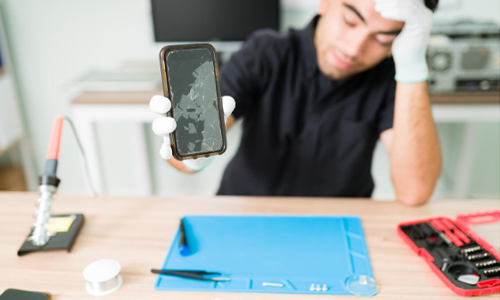
A small crack is one thing, but a shattered screen, broken buttons, or water damage can affect everything from touchscreen sensitivity to speaker function. Repairs might not be worth it if they cost more than 40% of the phone’s value.
6. Storage Is Always Full
Are you constantly deleting photos, apps, and messages just to free up space? If your storage is maxed out and there’s no microSD card slot, it’s probably time to upgrade.
7. Your Phone Overheats Too Often

Mild warmth during gaming or charging is normal. But if your phone feels like a frying pan with basic use, the internal components are likely stressed — a major warning sign that your device is aging fast.
8. Slow Performance Is Killing Productivity
Whether you're browsing, typing, or switching apps, lag kills efficiency. Older processors, worn-out RAM, and background clutter can make everything crawl. If even sending an email feels like a chore, your phone’s telling you it’s done.
9. It No Longer Supports Accessories or Networks
Many older devices can't handle newer Bluetooth versions or 5G networks. If your phone struggles to connect or isn’t compatible with modern accessories (like smartwatches or earbuds), upgrading makes practical sense.
10. You’re Just Not Excited to Use It Anymore
Yes, this matters. If you dread using your phone or feel completely disconnected from current tech capabilities, that dissatisfaction is valid. A new phone isn't just a device — it's a tool you interact with constantly.
Do I Need a New Phone? – Smart Quiz (Yes or No)
Answer these 10 Yes/No questions. Count your “Yes” answers for your result.
- Does your battery drain in less than 3 hours?
- Has your phone stopped receiving OS updates?
- Do apps crash or freeze frequently?
- Is your phone more than 3 years old?
- Do you have physical damage like a cracked screen or faulty buttons?
- Is your phone storage full or nearly full?
- Do you experience frequent overheating?
- Are you unable to connect to 5G or modern accessories?
- Is your camera quality too poor for your needs?
- Do you avoid using your phone out of frustration?
Results
8–10 Yes: You absolutely need a new phone. Your current device is hurting your productivity, security, and sanity.
4–7 Yes: It’s time to plan for an upgrade. You can hold off for a few months, but start researching.
0–3 Yes: You’re good for now. Your phone may not be perfect, but it’s still functional. Give it a little more time.
When Is the Best Time to Buy a New Phone?
Best months: September (iPhone releases), October–November (Android flagship deals), and during big sales events like Amazon Prime Day or Black Friday.
Best day of the week: Historically, Sunday and Monday see better online phone deals.
Pro Tip: Avoid impulse buys right after a launch. Wait a few weeks — prices usually drop or bundle deals appear.
How Often Should You Change Your Smartphone?
Experts suggest replacing your phone every 2–3 years, depending on usage patterns and technological needs. Power users may need yearly upgrades, while casual users can comfortably stretch to 4+ years.
FAQs
When should you get a new phone if everything still works fine?
If your phone no longer supports OS updates or can’t run modern apps smoothly, it’s still worth upgrading — even if it's functional.
How to tell when to replace Android phone vs iPhone?
Android phones often require faster replacements due to shorter support windows (3–5 years). iPhones last longer due to extended iOS support.
Can I trade in my old phone when buying a new one?
Yes! Most major manufacturers and carriers offer trade-in programs. This can significantly reduce the cost of your next device.
A new phone isn't always about chasing the next big thing — it’s about functionality, security, and your digital wellbeing. If your device shows multiple signs listed above, it may be time to retire it with grace. And remember: the right phone doesn’t just meet your needs today. It should empower you for the next few years.


Solana’s Worth in Future: What Could 1 SOL Be Worth?
How to Wake Up the System From Sleep Mode on Any Computer
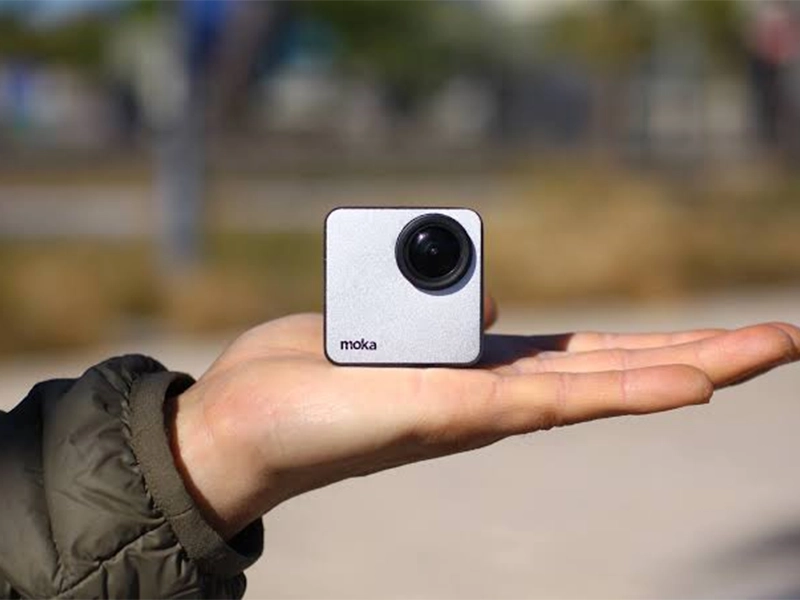
The Mokacam 4K Sports and Action Camera: Tiny but Powerful
How to Choose the Best Document Scanner for Your Needs