Apple has long faced criticism for its perceived lack of commitment to repairability. However, with the introduction of the iPhone 16 series, the company appears to be taking steps to address these concerns. Apple has publicly stated that the new models are designed to be easier to repair than their predecessors. Let's delve into the specific changes and their potential impact. Key Changes in the iPhone 16 Series Modular Design Apple has adopted a more modular design for the iPhone 16, allowing for easier disassembly and replacement of components. This means that common repairs, such as screen replacements or battery replacements, can be performed without requiring extensive technical expertise. Standardized Screws The iPhone 16 series uses standardized screws, making it easier to open the device and access internal components. This reduces the need for specialized tools and techniques, potentially lowering...
Apple has long faced criticism for its perceived lack of commitment to repairability. However, with the introduction of the iPhone 16 series, the company appears to be taking steps to address these concerns. Apple has publicly stated that the new models are designed to be easier to repair than their predecessors. Let's delve into the specific changes and their potential impact.
Key Changes in the iPhone 16 Series
Modular Design
Apple has adopted a more modular design for the iPhone 16, allowing for easier disassembly and replacement of components. This means that common repairs, such as screen replacements or battery replacements, can be performed without requiring extensive technical expertise.
Standardized Screws
The iPhone 16 series uses standardized screws, making it easier to open the device and access internal components. This reduces the need for specialized tools and techniques, potentially lowering repair costs.
Improved Accessibility
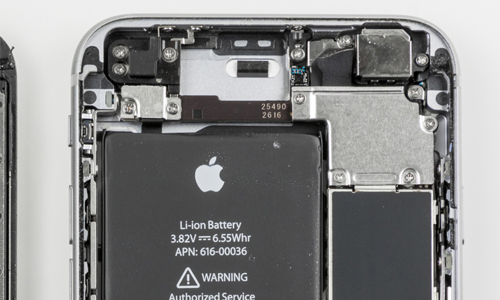
Apple has made it easier to access certain internal components, such as the display and battery, without having to completely disassemble the device. This can simplify repairs and reduce the risk of damage.
The Benefits of Easier Repairs
Lower Repair Costs
By making the iPhone 16 series easier to repair, Apple is potentially reducing the cost of repairs for consumers. This could be a significant benefit, especially for those who accidentally damage their devices.
Extended Lifespan
The ability to easily repair damaged components can extend the lifespan of an iPhone, reducing the need for frequent replacements.
Environmental Impact
Easier repairs can also have a positive impact on the environment by reducing the number of devices that end up in landfills.
Support for Independent Repair Shops
A more repairable iPhone can encourage independent repair shops to offer services for the device, increasing competition and potentially lowering repair costs.
Potential Challenges and Considerations
While the iPhone 16 series is undoubtedly a step in the right direction, it's important to note that there may still be challenges associated with repairing these devices. Factors such as proprietary software and specialized tools could limit the availability of independent repairs. Additionally, the extent to which consumers can actually benefit from easier repairs will depend on factors like the availability of spare parts and the pricing of repair services.
Apple's commitment to making the iPhone 16 series easier to repair is a positive development. By adopting a more modular design and using standardized components, Apple is making it easier for consumers to extend the lifespan of their devices and potentially reduce repair costs. While there may still be challenges to overcome, the iPhone 16 series represents a significant step forward in terms of repairability. As technology continues to evolve, it will be interesting to see if Apple continues to prioritize this aspect of its product design.




Why Are Vertu Phones So Expensive?
Can a Smart Home Work Without Internet? Explained
Solana’s Worth in Future: What Could 1 SOL Be Worth?
How to Wake Up the System From Sleep Mode on Any Computer