The convenience of online shopping is undeniable, but lurking beneath the surface is a complex web of cybersecurity threats that can compromise your personal information and financial security. As e-commerce continues to grow, so too do the tactics employed by cybercriminals. Understanding these risks is crucial for protecting yourself and your data. Common Cybersecurity Threats in Online Shopping Phishing Attacks These deceptive emails or messages mimic legitimate businesses to trick users into revealing sensitive information, such as login credentials or credit card details. Malware Malicious software can infect your device through compromised websites or email attachments, allowing cybercriminals to steal data or hold your system hostage. Identity Theft By stealing personal information, cybercriminals can assume your identity, open new accounts, and incur financial losses. Data Breaches Online retailers may experience data breaches, exposing customer information to unauthorized parties. Man-in-the-Middle Attacks...
The convenience of online shopping is undeniable, but lurking beneath the surface is a complex web of cybersecurity threats that can compromise your personal information and financial security. As e-commerce continues to grow, so too do the tactics employed by cybercriminals. Understanding these risks is crucial for protecting yourself and your data.
Common Cybersecurity Threats in Online Shopping
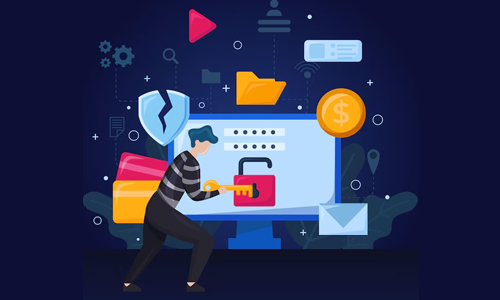
Phishing Attacks
These deceptive emails or messages mimic legitimate businesses to trick users into revealing sensitive information, such as login credentials or credit card details.
Malware
Malicious software can infect your device through compromised websites or email attachments, allowing cybercriminals to steal data or hold your system hostage.
Identity Theft
By stealing personal information, cybercriminals can assume your identity, open new accounts, and incur financial losses.
Data Breaches
Online retailers may experience data breaches, exposing customer information to unauthorized parties.
Man-in-the-Middle Attacks
These attacks intercept communication between you and a website, allowing cybercriminals to steal sensitive data.
Fake Online Stores
Fraudulent websites mimic legitimate retailers to deceive customers into making purchases and providing personal information.
Protecting Yourself While Shopping Online
Strong Passwords
Create complex, unique passwords for each online account and consider using a password manager.
Beware of Phishing Attempts
Be cautious of unsolicited emails, links, or attachments, and verify the authenticity of websites before entering personal information.
Keep Software Updated
Regularly update your operating system and software applications to patch vulnerabilities.
Secure Wi-Fi Networks
Avoid using public Wi-Fi for online shopping, as these networks are often unsecured.
Monitor Your Accounts
Regularly review your bank and credit card statements for unauthorized transactions.
Enable Two-Factor Authentication
Add an extra layer of security by enabling two-factor authentication whenever possible.
Shop on Reputable Websites
Stick to well-known and trusted online retailers.
Check Website Security
Look for HTTPS in the website address, indicating a secure connection.
Use Credit Cards
Credit cards offer more protection against fraud than debit cards.
Be Wary of Deals That Seem Too Good to Be True
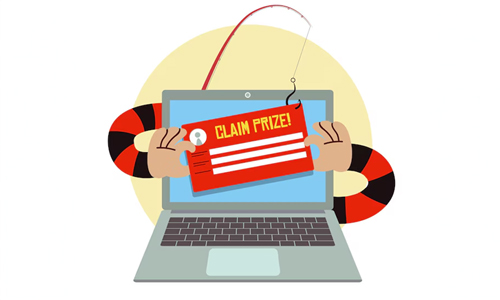
If a deal looks suspicious, it probably is.
Educate Yourself
Stay informed about the latest cybersecurity threats and best practices.
Additional Tips for Safe Online Shopping
Avoid Oversharing Personal Information
Be cautious about sharing personal details on social media or public forums.
Use Secure Payment Methods
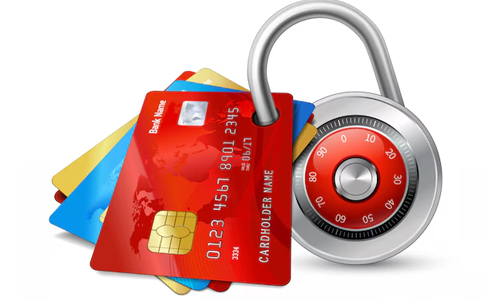
Consider using digital wallets or tokenization services to protect your payment information.
Shop on Your Own Device
Avoid using public computers or shared devices for online shopping.
Install Ad-Blockers
Ad-blockers can help protect you from malicious ads and pop-ups.
Backup Your Data
Regularly backup your important files to protect against data loss.
By following these guidelines, you can significantly reduce your risk of falling victim to online shopping scams and protect your personal information. Stay vigilant and informed, and enjoy the convenience of online shopping with peace of mind.




Why Are Vertu Phones So Expensive?
Can a Smart Home Work Without Internet? Explained
Solana’s Worth in Future: What Could 1 SOL Be Worth?
How to Wake Up the System From Sleep Mode on Any Computer