The virtual reality (VR) landscape is poised for a significant transformation with the announcement of a personal assistant for the upcoming Meta Quest 3. This integration of Meta's AI technology promises a more intuitive and immersive VR experience. Let's delve into the details of this innovation, explore its potential impact, and consider what it means for the future of VR interaction. The Quest 3: A Platform for Innovation The Meta Quest 3 range, shrouded in secrecy until recently, has finally been revealed. With improved processing power, higher resolution displays, and a focus on comfort, the Quest 3 aims to solidify Meta's position as a leader in the VR market. The most intriguing aspect, however, lies in the integration of a personal assistant powered by Meta AI. This marks a significant shift in VR interaction, potentially moving beyond traditional controllers and...
The virtual reality (VR) landscape is poised for a significant transformation with the announcement of a personal assistant for the upcoming Meta Quest 3. This integration of Meta's AI technology promises a more intuitive and immersive VR experience. Let's delve into the details of this innovation, explore its potential impact, and consider what it means for the future of VR interaction.
The Quest 3: A Platform for Innovation
The Meta Quest 3 range, shrouded in secrecy until recently, has finally been revealed. With improved processing power, higher resolution displays, and a focus on comfort, the Quest 3 aims to solidify Meta's position as a leader in the VR market.
The most intriguing aspect, however, lies in the integration of a personal assistant powered by Meta AI. This marks a significant shift in VR interaction, potentially moving beyond traditional controllers and hand tracking.
Introducing the Meta AI Assistant: Your VR Companion
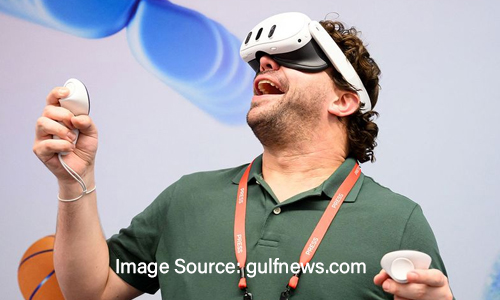
Details regarding the functionalities of the Meta AI assistant are still emerging, but here's a glimpse into what it might offer:
Voice Commands for Seamless Interaction
Users could potentially navigate menus, launch applications, and even control in-game actions through voice commands. This would simplify interaction and enhance accessibility for VR newcomers.
Contextual Awareness and Personalized Recommendations
The assistant, powered by AI, could learn user preferences and suggest relevant experiences within VR. Imagine your AI assistant recommending a new VR game you'd enjoy based on your past experiences.
Enhanced Social Interaction
The assistant could facilitate communication and collaboration within VR environments. This could be particularly beneficial for remote work meetings, virtual classrooms, and multiplayer gaming experiences.
Multi-Lingual Support
Breaking down language barriers, the assistant could potentially translate conversations in real-time, fostering communication in global VR communities.
The Power of Voice: Transforming VR Interaction
The integration of a voice assistant has the potential to revolutionize VR interaction in several ways:
Increased User Friendliness
Voice commands offer a more intuitive and natural way to interact with VR environments, making them more accessible to users of all ages and technical skill levels.
Enhanced Immersion
Seamless voice interaction can deepen user immersion by removing the need to constantly switch between controllers and the virtual world.
Improved Multitasking
Users could potentially utilize the assistant for multi-tasking within VR. Imagine coordinating an in-game strategy with your team while simultaneously researching a specific VR location you're about to visit.
Challenges and Considerations
While the potential of a VR assistant is undeniable, some challenges remain:
Accuracy and Natural Language Processing (NLP)
The assistant's effectiveness hinges on its ability to accurately recognize and interpret user voice commands within sometimes noisy VR environments. Advancements in NLP are crucial for a seamless user experience.
Privacy Concerns
Integrating AI into VR raises privacy concerns. Clear communication regarding data collection and usage will be essential to build user trust.
Accessibility for Users with Disabilities
The VR assistant shouldn't replace existing control methods but rather offer an additional avenue for interaction. Ensuring accessibility for users with disabilities remains paramount.
Meta AI and the Future of VR: A Glimpse of Possibilities
The integration of a personal assistant into the Quest 3 marks a significant step towards a more intuitive and user-friendly VR experience. As Meta AI continues to evolve, we can expect even more innovative applications within the VR landscape:
AI-Powered Learning Experiences
Personalized learning with intelligent tutors and interactive simulations could become commonplace in VR classrooms.
Enhanced Virtual Workspaces
AI assistants could manage schedules, transcribe meetings, and translate conversations in real-time, fostering collaboration in virtual work environments.
Hyper-Realistic VR Experiences
Advancements in AI could empower the creation of even more realistic VR environments, blurring the lines between the virtual and the real world.
The future of VR is likely to be shaped by the ongoing advancements in AI technology. Meta's integration of a personal assistant in the Quest 3 is a promising step in this direction. With continued development and a focus on overcoming challenges, VR experiences have the potential to become more immersive, intuitive, and accessible for everyone.
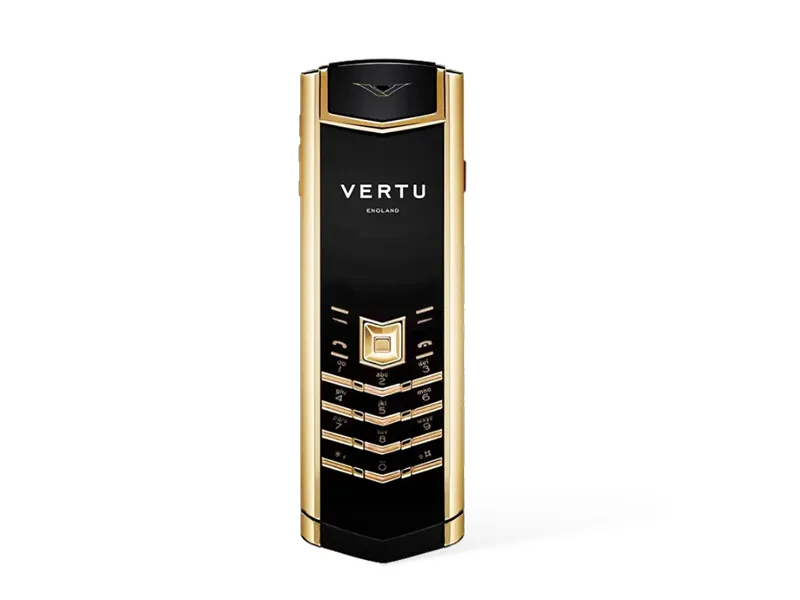

Why Are Vertu Phones So Expensive?
Can a Smart Home Work Without Internet? Explained
Solana’s Worth in Future: What Could 1 SOL Be Worth?
How to Wake Up the System From Sleep Mode on Any Computer