In a move with significant implications for both Tesla and the broader electric vehicle (EV) market, China recently added Tesla's Model Y to its government purchase list. This marks the first time a non-Chinese automaker has been included on such a list, signifying a potential shift in China's automotive landscape. A Lucrative Market with High Barriers China, the world's largest automotive market, has also been a leader in electric vehicle adoption. Government incentives and subsidies have played a crucial role in driving EV sales. However, for foreign automakers, accessing this lucrative market hasn't been easy. Strict regulations and a preference for domestic car brands have created significant barriers to entry. Tesla Breaks the Mold Tesla's inclusion on the government purchase list shatters these barriers to some extent. The Model Y, a popular electric SUV manufactured at Tesla's Shanghai Gigafactory, is...
In a move with significant implications for both Tesla and the broader electric vehicle (EV) market, China recently added Tesla's Model Y to its government purchase list. This marks the first time a non-Chinese automaker has been included on such a list, signifying a potential shift in China's automotive landscape.
A Lucrative Market with High Barriers
China, the world's largest automotive market, has also been a leader in electric vehicle adoption. Government incentives and subsidies have played a crucial role in driving EV sales. However, for foreign automakers, accessing this lucrative market hasn't been easy. Strict regulations and a preference for domestic car brands have created significant barriers to entry.
Tesla Breaks the Mold
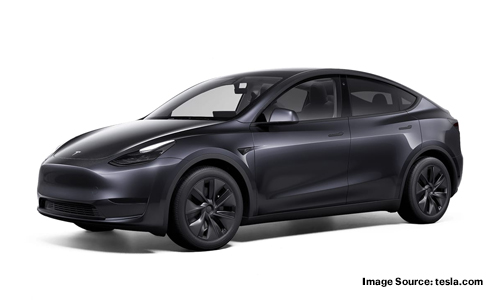
Tesla's inclusion on the government purchase list shatters these barriers to some extent. The Model Y, a popular electric SUV manufactured at Tesla's Shanghai Gigafactory, is now eligible for purchase by government agencies and public institutions across Jiangsu province. This could lead to a significant increase in Tesla sales within China.
Why is This a Big Deal for Tesla?
There are several reasons why this development is a major win for Tesla:
Increased Sales Potential
Government purchases represent a substantial chunk of the automotive market in China. This inclusion opens doors to a new customer segment and potentially boosts Tesla's overall sales figures in the region.
Validation and Credibility
Being chosen by the Chinese government lends significant credibility to Tesla's technology and manufacturing capabilities. This can further enhance Tesla's brand image in China and potentially attract more private buyers.
Potential Policy Shifts
Tesla's inclusion might signal a broader shift in China's automotive policies, potentially leading to a more open market for foreign EV manufacturers in the future.
Looking Beyond the Model Y
While the Model Y is the first Tesla on the list, this move might pave the way for the inclusion of other Tesla models in the future. Additionally, it could encourage other foreign EV makers to step up their efforts in China and potentially lead to a more diverse electric vehicle landscape in the country.
Challenges and Considerations
Despite the positive outlook, there are still challenges to consider:
Competition
While Tesla has a first-mover advantage, established Chinese EV manufacturers like BYD and NIO remain strong competitors in the market.
Geopolitical Tensions
The ongoing trade tensions between the US and China could still impact Tesla's operations and future prospects in the region.
Local Preferences
Chinese consumers might have specific preferences for features or functionalities that Tesla currently doesn't offer.
A Turning Point for China's EV Market?
Tesla's inclusion on the Chinese government purchase list is a significant development with far-reaching implications. It signifies a potential shift towards a more open market for foreign EV manufacturers in China. This could lead to increased competition, innovation, and ultimately benefit Chinese consumers by offering a wider range of electric vehicle options.

Why Are Vertu Phones So Expensive?
Can a Smart Home Work Without Internet? Explained
Solana’s Worth in Future: What Could 1 SOL Be Worth?
How to Wake Up the System From Sleep Mode on Any Computer