In a recent interview, Mark Zuckerberg, CEO of Meta, made headlines with his comments regarding closed-source AI development. He criticized the approach of unnamed competitors, suggesting they view themselves as "creating God" and advocating for open-source AI development as a more collaborative and beneficial path. Here's a deeper dive into Mark Zuckerberg's remarks and the ongoing debate surrounding open vs. closed-source AI. Mark Zuckerberg's Stance: Openness for Innovation Mark Zuckerberg believes that hoarding AI technology hinders innovation and progress. He argues for open-source development, where the underlying code is freely accessible and modifiable by anyone. This, in his view, fosters collaboration, accelerates development, and ensures a wider range of voices and perspectives contribute to the advancement of AI. Here are some potential benefits of open-source AI development: Faster Innovation Open collaboration can lead to quicker identification and resolution of issues,...
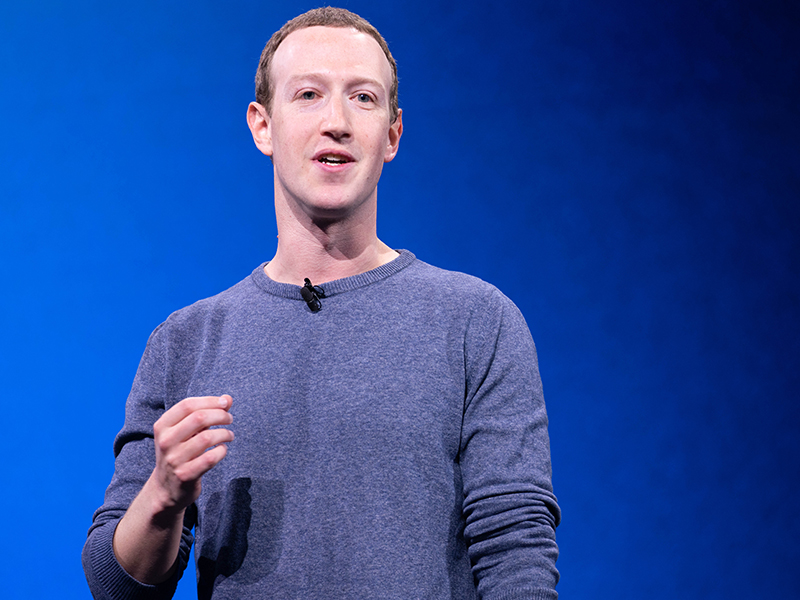
In a recent interview, Mark Zuckerberg, CEO of Meta, made headlines with his comments regarding closed-source AI development. He criticized the approach of unnamed competitors, suggesting they view themselves as "creating God" and advocating for open-source AI development as a more collaborative and beneficial path. Here's a deeper dive into Mark Zuckerberg's remarks and the ongoing debate surrounding open vs. closed-source AI.
Mark Zuckerberg's Stance: Openness for Innovation

Mark Zuckerberg believes that hoarding AI technology hinders innovation and progress. He argues for open-source development, where the underlying code is freely accessible and modifiable by anyone. This, in his view, fosters collaboration, accelerates development, and ensures a wider range of voices and perspectives contribute to the advancement of AI.
Here are some potential benefits of open-source AI development:
Faster Innovation
Open collaboration can lead to quicker identification and resolution of issues, accelerating the overall progress of AI technology.
Diversity of Thought
With open access, a wider range of developers and researchers can contribute, leading to more diverse AI applications and mitigating potential biases.
Transparency and Trust
Open-source code allows for scrutiny and verification, fostering trust in the development process and the resulting AI tools.
The Closed-Source Perspective: Control and Competition
While Mark Zuckerberg champions open-source AI, there are strong arguments for closed-source development as well. Here are some reasons companies might choose this path:
Protecting Intellectual Property
Companies invest significant resources in developing AI technology. Keeping the code private allows them to retain a competitive edge.
Controlling Development Direction
Closed-source models allow companies to maintain control over how their AI tools are used and integrated with other technologies.
Mitigating Security Risks
Open-source code can be vulnerable to manipulation or malicious exploitation. Closed-source development offers more control over security measures.
Beyond the Rhetoric: A More Nuanced View

The debate surrounding open vs. closed-source AI is complex. While Mark Zuckerberg's comments are attention-grabbing, the reality is that both approaches have merit. Here's a more nuanced perspective:
Open Source for Foundational Research
Open-source collaboration might be ideal for laying the groundwork and developing core AI frameworks.
Closed Source for Specialized Applications
For commercially sensitive or highly specialized AI applications, closed-source development might offer crucial advantages.
The Future of AI Development: A Co-Existing Landscape?
It's likely that both open-source and closed-source AI development will continue to co-exist. Open-source initiatives can lay the groundwork, while companies compete by building proprietary applications on those foundations. This combined approach could foster innovation while allowing companies to maintain a competitive edge.
Regardless of development approach, fostering collaboration is crucial. Open communication and ethical guidelines for AI development will be essential to ensure this powerful technology benefits society as a whole. Mark Zuckerberg's comments, while pointed, highlight the importance of this ongoing conversation.
Whether open-source or closed, the goal should be responsible and collaborative development that harnesses the power of AI for positive change.




Why Are Vertu Phones So Expensive?
Can a Smart Home Work Without Internet? Explained
Solana’s Worth in Future: What Could 1 SOL Be Worth?
How to Wake Up the System From Sleep Mode on Any Computer