For years, Apple has maintained a clear distinction between its mobile and desktop experiences. iPhones and iPads embraced touchscreens, while Macs stuck with the traditional mouse and keyboard combo. But a recent patent filing has sparked speculation that Apple might be rethinking its stance. The patent reveals a design for an iMac with a hinge, hinting at a possible touchscreen future for the beloved desktop computer. A History of Apple's Touchscreen Resistance Apple co-founder Steve Jobs famously disliked touch screens on laptops, arguing that they led to an awkward "gorilla arm" posture. This philosophy has largely guided Apple's desktop strategy, with Macs continuing to rely on physical input methods. However, consumer preferences and technological advancements may be prompting a shift. Why a Touchscreen iMac? The Potential Benefits There are several reasons why Apple might be considering a touchscreen iMac: A...
For years, Apple has maintained a clear distinction between its mobile and desktop experiences. iPhones and iPads embraced touchscreens, while Macs stuck with the traditional mouse and keyboard combo. But a recent patent filing has sparked speculation that Apple might be rethinking its stance. The patent reveals a design for an iMac with a hinge, hinting at a possible touchscreen future for the beloved desktop computer.
A History of Apple's Touchscreen Resistance
Apple co-founder Steve Jobs famously disliked touch screens on laptops, arguing that they led to an awkward "gorilla arm" posture. This philosophy has largely guided Apple's desktop strategy, with Macs continuing to rely on physical input methods. However, consumer preferences and technological advancements may be prompting a shift.
Why a Touchscreen iMac? The Potential Benefits
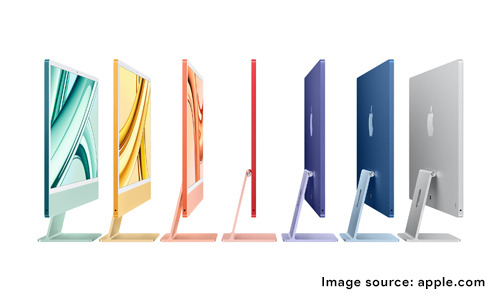
There are several reasons why Apple might be considering a touchscreen iMac:
A More Unified Apple Experience
A touchscreen iMac would bridge the gap between the touch-centric iPad and the traditional Mac experience. Users accustomed to using iPads might find a touchscreen iMac more intuitive.
Enhanced Creativity
Touchscreen capabilities could unlock new creative possibilities for graphic designers, artists, and other professionals who might benefit from more hands-on interaction with their work.
Improved Accessibility
Touchscreens can be a valuable tool for users with disabilities, offering alternative input methods for those who struggle with traditional mice and keyboards.
Potential Drawbacks to Consider
While a touchscreen iMac has its merits, there are also some potential drawbacks:
Ergonomics
Using a large touch screen for extended periods could lead to ergonomic issues, similar to the "gorilla arm" concern Jobs raised. Apple would need to address this through innovative design and software optimization.
Workflow Disruption
Current Mac users accustomed to a mouse and keyboard workflow might find a touchscreen disruptive, requiring a period of adjustment.
The iPad Factor
A touchscreen iMac could blur the lines between the Mac and iPad. Apple must ensure the iMac maintains its distinct value proposition for desktop computing tasks.
Looking Ahead: A Touch Screen Future for Macs?
It's important to note that a patent filing doesn't guarantee a finished product. However, it does indicate that Apple is at least exploring the possibility of a touchscreen iMac. Here are some potential scenarios:
A Hybrid Approach
Apple might introduce a touchscreen iMac as a premium option, catering to a specific user segment while maintaining traditional iMac models for those who prefer the mouse and keyboard setup.
Touch Bar Evolution
The Touch Bar on some MacBook Pro models could be a stepping stone towards a more comprehensive touchscreen experience on future Macs.
Software Integration
Apple could introduce touch-optimized features and gestures within macOS to enhance the experience for traditional and touchscreen input methods.
The Final Word: A Touch of Change for the iMac?
Whether or not a touchscreen iMac becomes a reality remains to be seen. However, the patent filing signals Apple's willingness to adapt to evolving user needs and technological advancements. While some traditionalists might resist change, a touchscreen iMac could potentially attract new users and enhance the creativity and accessibility of the Mac experience. Ultimately, Apple will need to weigh the potential benefits against the drawbacks to determine if a touchscreen truly belongs in the future of the iMac.


Why Are Vertu Phones So Expensive?
Can a Smart Home Work Without Internet? Explained
Solana’s Worth in Future: What Could 1 SOL Be Worth?
How to Wake Up the System From Sleep Mode on Any Computer