Mobile commerce or m-commerce is not just a trend; it’s a revolution in how businesses connect with consumers. As smartphones become a daily extension of life, the business world is rapidly shifting toward mobile-first strategies to keep up with this transformation. From small startups to global retailers, the way products are marketed, sold, and delivered is being reshaped by mobile technology. In this blog, we’ll explore what mobile commerce really means, how it's transforming industries, key advantages, current trends, challenges, and what the future holds for businesses adopting mobile commerce. What is Mobile Commerce (M-Commerce)? Mobile commerce refers to buying and selling goods and services using mobile devices like smartphones and tablets. This includes: Mobile shopping through apps and websites Mobile banking In-app purchases Mobile payments via services like Apple Pay, Google Wallet, and UPI apps It’s essentially e-commerce optimized...
Mobile commerce or m-commerce is not just a trend; it’s a revolution in how businesses connect with consumers. As smartphones become a daily extension of life, the business world is rapidly shifting toward mobile-first strategies to keep up with this transformation. From small startups to global retailers, the way products are marketed, sold, and delivered is being reshaped by mobile technology.
In this blog, we’ll explore what mobile commerce really means, how it's transforming industries, key advantages, current trends, challenges, and what the future holds for businesses adopting mobile commerce.
What is Mobile Commerce (M-Commerce)?

Mobile commerce refers to buying and selling goods and services using mobile devices like smartphones and tablets. This includes:
Mobile shopping through apps and websites
- Mobile banking
- In-app purchases
- Mobile payments via services like Apple Pay, Google Wallet, and UPI apps
It’s essentially e-commerce optimized for mobility, speed, and convenience.
Why Mobile Commerce Is a Game Changer
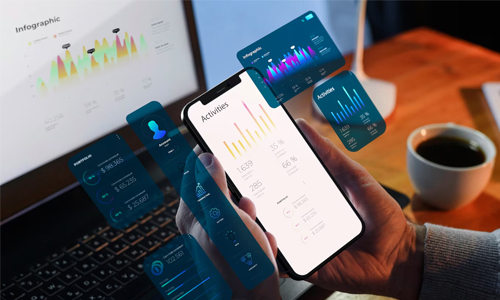
It has made it easier for consumers to shop anywhere, anytime. Here’s why it's essential for modern businesses:
Consumer Behavior Shift
Over 60% of global internet traffic comes from mobile devices. People research products, compare prices, read reviews, and complete purchases—all on their phones.
Personalization at Scale
Mobile apps allow brands to use AI to personalize user experiences, send push notifications, and track in-app behavior for better customer targeting.
Faster Checkout
One-click purchases, biometric authentication, and integrated wallets make checkouts seamless—boosting conversion rates.
Direct Communication Channel
Businesses can communicate with users through push alerts, chatbots, and app updates, making engagement more frequent and effective.
Key Mobile Commerce Trends to Watch

1. Progressive Web Apps (PWAs)
PWAs combine the best of websites and apps. They’re fast, lightweight, and don’t require downloads—ideal for enhancing mobile shopping.
2. Voice Commerce
With voice assistants like Alexa and Siri gaining traction, users are shopping using voice commands. Businesses will need to optimize for voice search.
3. Augmented Reality (AR)
AR allows users to virtually try products before buying—especially impactful in fashion, beauty, and home décor industries.
4. AI-Powered Recommendations
AI is helping businesses offer personalized product suggestions based on browsing habits, purchase history, and demographic insights.
5. Mobile Wallet Integration
Digital wallets are becoming the go-to payment method. Seamless integration with wallets is essential for checkout optimization.
Industries Most Impacted by M-Commerce
Retail & Fashion
From Zara’s shoppable apps to Amazon’s mobile-first strategy, this sector has seen massive gains in mobile engagement.
Food Delivery
Apps like DoorDash and UberEats dominate because of their mobile-first experiences.
Banking & FinTech
Mobile-first banking apps have disrupted traditional banks.
Travel
Booking hotels, flights, and rentals via mobile apps is the norm.
Challenges in Mobile Commerce
Despite its growth, m-commerce comes with challenges:
Security Concerns
Users worry about data breaches and privacy. Businesses must invest in encryption, multi-factor authentication, and PCI compliance.
App Fatigue
With countless apps available, consumers hesitate to download new ones. This makes Progressive Web Apps even more crucial.
Technical Limitations
Slow apps, bugs, and crashes can instantly drive users away.
Omnichannel Integration
Businesses must sync inventory, data, and user experience across desktop, mobile, and physical stores.
How Small Businesses Can Tap into Mobile Commerce
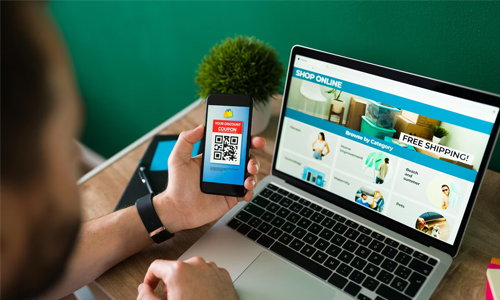
You don’t have to be Amazon to succeed in m-commerce. Here’s how small businesses can get started:
- Build a mobile-responsive website or launch a Progressive Web App
- Accept mobile payments like Google Pay, Apple Pay, and PayPal
- Use SMS marketing and push notifications to drive engagement
- Invest in mobile-friendly product photos, videos, and descriptions
- Optimize checkout with autofill, address detection, and minimal clicks
Mobile Commerce Statistics You Should Know (2025)
| Metric |
Data |
| Mobile commerce sales share of e-commerce |
72% |
| People shopping via mobile weekly |
3 in 4 |
| Preferred payment method in Asia |
Mobile wallets (e.g., Paytm, GPay) |
| Abandonment rate for mobile carts |
85% |
| Conversion boost from optimized mobile UX |
Up to 30% |
The Future of Businesses with M-Commerce

The line between physical and digital commerce will continue to blur. Expect to see:
- Unified commerce platforms that offer a single view of the customer across all channels.
- Hyper-personalization driven by mobile behavior tracking.
- Smarter supply chains using AI and mobile sensors for inventory tracking and delivery optimization.
- Instant financing via mobile BNPL (Buy Now, Pay Later) options for consumers and small businesses.
Mobile commerce is the foundation of future business operations. Those who invest in mobile-first infrastructure today will lead tomorrow.
Mobile commerce is transforming the way businesses operate, enabling faster, more personalized, and convenient consumer experiences. For brands willing to innovate and optimize for mobile users, the rewards are immense. Whether you’re a solopreneur or an enterprise, embracing m-commerce is no longer optional—it’s essential.



Why Are Vertu Phones So Expensive?
Can a Smart Home Work Without Internet? Explained
Solana’s Worth in Future: What Could 1 SOL Be Worth?
How to Wake Up the System From Sleep Mode on Any Computer