Most motorcycles follow the same formula: two wheels, a frame, and balance controlled by the rider. But the one-wheeled motorcycle throws that entire idea into the shredder. With a design that looks like it escaped from a cyberpunk movie set, this futuristic machine replaces traditional motorcycle structure with a single giant wheel capable of carrying both rider and engine inside its circular frame. It’s strange. It’s unstable-looking. And somehow, it works. What Is a One-Wheeled Motorcycle? A one-wheeled motorcycle is exactly what it sounds like, a rideable vehicle built around a single large wheel. Unlike monowheels used in circus performances decades ago, modern versions rely on: Electric motors Gyroscopic stabilization Advanced balance systems Lightweight engineering materials The rider typically sits inside or alongside the wheel structure while the motor drives the wheel forward. The result feels less like a motorcycle...
Most motorcycles follow the same formula: two wheels, a frame, and balance controlled by the rider.
But the one-wheeled motorcycle throws that entire idea into the shredder.
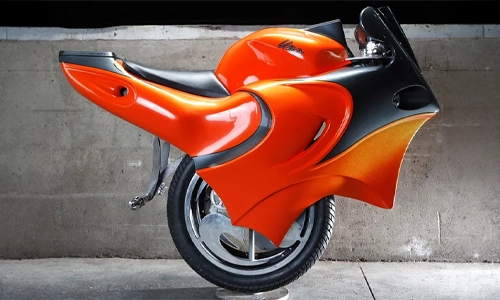
With a design that looks like it escaped from a cyberpunk movie set, this futuristic machine replaces traditional motorcycle structure with a single giant wheel capable of carrying both rider and engine inside its circular frame.
It’s strange. It’s unstable-looking. And somehow, it works.
What Is a One-Wheeled Motorcycle?
A one-wheeled motorcycle is exactly what it sounds like, a rideable vehicle built around a single large wheel.
Unlike monowheels used in circus performances decades ago, modern versions rely on:
- Electric motors
- Gyroscopic stabilization
- Advanced balance systems
- Lightweight engineering materials
The rider typically sits inside or alongside the wheel structure while the motor drives the wheel forward.
The result feels less like a motorcycle and more like a rolling sci-fi capsule.
How Does It Stay Balanced?
This is the first question everyone asks.
A one-wheeled motorcycle maintains balance using a combination of:
- Gyroscopic force
- Weight distribution
- Electronic stabilization systems
Some designs also use AI-assisted balancing software that continuously adjusts movement in real time.
Think of it as a giant self-balancing machine constantly fighting gravity every millisecond.
Without these systems, riding one would feel like trying to sit on a spinning coin before it falls.
Why the Internet Became Obsessed With It
The concept of a one-wheeled motorcycle exploded online because it looks almost impossible to ride.
Its futuristic appearance triggered comparisons to:
- Tron-style vehicles
- Concept bikes from sci-fi films
- Experimental robotics projects
Videos showcasing these machines often go viral because people can’t immediately figure out how they function.
That confusion becomes curiosity, and curiosity drives clicks.
The Biggest Challenge: Practicality
While the one-wheeled motorcycle looks incredible, practicality remains a major hurdle.
Some challenges include:
- Difficult maneuverability
- Limited stability at low speeds
- Safety concerns during sudden stops
- Complex engineering requirements
Traditional motorcycles distribute balance naturally across two wheels. A monowheel design has to artificially create that stability through technology.
That makes these vehicles far more experimental than mainstream.
Are One-Wheeled Motorcycles Actually Used Today?
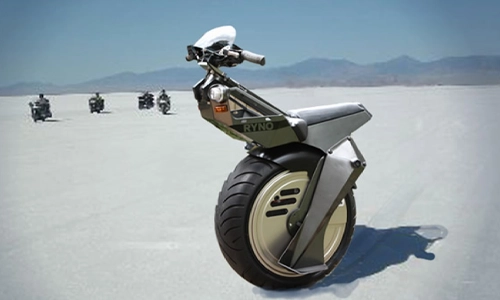
Mostly in prototype and enthusiast circles.
Several inventors and engineering teams have built functional one-wheel motorcycle concepts over the years, but mass adoption hasn’t happened yet.
Still, the underlying technologies remain important because they influence:
- Self-balancing mobility systems
- Personal transport innovation
- Robotics and gyroscopic engineering
In many ways, the one-wheeled motorcycle acts as a testing ground for future mobility ideas.
Why Futuristic Vehicles Fascinate Us
Machines like the one-wheeled motorcycle capture attention because they challenge expectations.
Humans instinctively trust symmetry and stability.
This vehicle offers neither.
Instead, it embraces controlled instability, relying on software and engineering precision to stay upright.
That tension between chaos and control is what makes it so mesmerizing.
Could We See These on Roads in the Future?
Possibly, but not anytime soon.
For a one-wheeled motorcycle to become mainstream, it would need:
Right now, it sits somewhere between concept art and experimental transportation.
And honestly, that’s part of the appeal.
The one-wheeled motorcycle may not replace traditional bikes, but it represents something bigger than practicality. It represents the human obsession with reinventing movement itself.
Sometimes technology evolves through efficiency. Other times, it evolves because someone asks a wonderfully strange question: “What if a motorcycle only had one wheel?”



The Top 10 Hackers in the World and the Countries Behind Them
When the Virtual Becomes Real: How Cyberattacks Can Cause Physical Harm
The Future of Vision: Exploring the Potential of Augmented Reality Contact Lenses
Smart Home Ready: How Fiber Internet Powers the Modern Household