A rare and unsettling headline once made the rounds — Mark Zuckerberg has a real-life stalker. In this high-profile case, an individual allegedly crossed numerous boundaries, including repeatedly showing up at the tech CEO’s property and engaging in harassing behavior. The matter drew intense media attention not simply because of the name involved, but because it underscored a reality many people too often overlook: even the most visible tech leaders aren’t immune to threats that start online and spill into the real world. While the focus on a billionaire’s safety may seem distant from everyday life, the underlying themes have broad relevance. Let’s break down what this case reveals about digital exposure, personal boundaries, and what tools anyone can use today to protect themselves. What Happened — A High-Profile Example of a Real Threat In the situation covered by major...
A rare and unsettling headline once made the rounds — Mark Zuckerberg has a real-life stalker. In this high-profile case, an individual allegedly crossed numerous boundaries, including repeatedly showing up at the tech CEO’s property and engaging in harassing behavior. The matter drew intense media attention not simply because of the name involved, but because it underscored a reality many people too often overlook: even the most visible tech leaders aren’t immune to threats that start online and spill into the real world.
While the focus on a billionaire’s safety may seem distant from everyday life, the underlying themes have broad relevance. Let’s break down what this case reveals about digital exposure, personal boundaries, and what tools anyone can use today to protect themselves.
What Happened — A High-Profile Example of a Real Threat
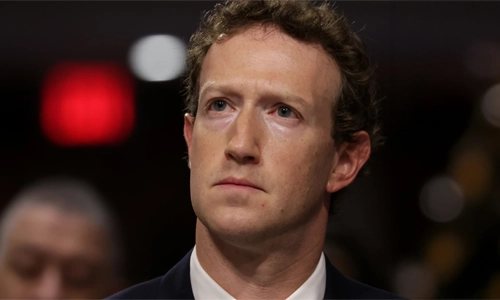
In the situation covered by major local news outlets, law enforcement intervened after an individual exhibited persistent, troubling behavior that escalated to the point of trespass and harassment. The legal system stepped in, and the person involved was reportedly detained and held pending charges related to stalking and unlawful entry.
This wasn’t a fleeting sensation. It highlighted how someone’s fixation can move from online fantasies to real-world danger — even for people whose names and faces are globally recognizable.
Why This Matters Beyond One Person
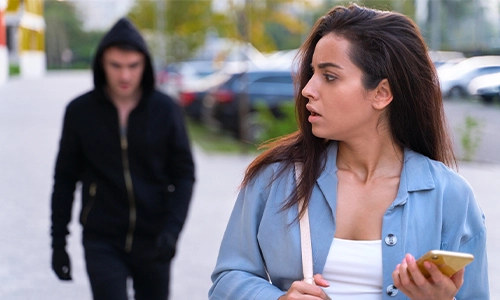
Most of us will never be the target of a stalker with extreme actions, but the dynamics here reflect trends that affect many:
Understanding these patterns can help everyone think more critically about the way we share personal information and how we respond to unwanted contact.
Digital Privacy Starts with Boundaries
One of the lessons people can take from high-profile cases like this is the importance of digital privacy. Even if you aren’t a public figure, loose privacy settings or oversharing can make you an easier target for harassment. Here are a few practical strategies:
1. Curate Your Online Presence
Think carefully about what you post publicly. Photos, location tags, and personal routines are details that can help strangers chart patterns they shouldn’t have access to.
2. Tighten Privacy Settings
Most social platforms allow you to restrict who can see your content, comment on your posts, or message you. Take advantage of these controls and review them regularly.
3. Use Two-Factor Authentication
Protecting login access isn’t just about keeping accounts safe — it also prevents unauthorized people from impersonating you or gaining access to linked services.
4. Avoid Sharing Real-Time Location
If possible, don’t broadcast your exact location in real time. This includes tagged check-ins, live stories, or apps that automatically share your whereabouts with others. Even seemingly temporary posts can be archived or reshared.
How to Recognize and Respond to Threatening Behavior

Not all attention is dangerous, but certain behaviors are clear red flags. If someone:
- Insists on repeated contact after you’ve asked them to stop
- Tracks your movements or shows up unexpectedly
- Makes explicit or implicit threats
- Uses multiple accounts to bypass blocks
These actions may be signs of harassment or stalking — and you don’t have to tolerate them.
Steps You Can Take
- Document all interactions (screenshots, dates, times)
- Block or mute toxic profiles
- Report abusive behavior to platform moderators
- Contact local authorities if threats become explicit or real-world
Safety professionals emphasize that taking early action — even uncomfortable — makes escalation less likely.
The Broader Digital Culture Shift
Cases involving well-known individuals often expose broader issues: how easy it is to connect, how blurry the line can be between online fascination and harassment, and how unprepared many people are to handle that transition.
What’s clear is this: the tools that make our digital lives vibrant — social sharing, public profiles, real-time updates — also require us to adapt our sense of personal boundaries and digital hygiene.
The matter that once led headlines isn’t just a curious news item. It’s a reminder that personal safety, online behavior, and digital privacy are interconnected in ways many of us take for granted. While most people will never face extreme cases like this, the principles that emerge — caution with sharing personal data, awareness of unwanted attention, and knowing how to act when someone crosses a line — are relevant to anyone who lives a connected life.
So whether you’re a casual social media user or someone who regularly posts to a large audience, the takeaway is the same: digital awareness and boundaries protect not just privacy, but peace of mind.




Solana’s Worth in Future: What Could 1 SOL Be Worth?
How to Wake Up the System From Sleep Mode on Any Computer
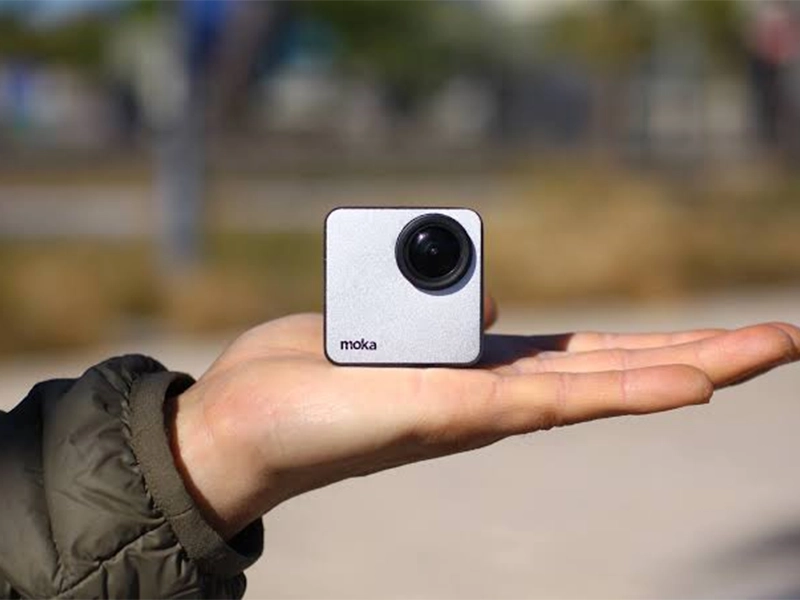
The Mokacam 4K Sports and Action Camera: Tiny but Powerful
How to Choose the Best Document Scanner for Your Needs