Once a futuristic dream, 3D Printers have now become affordable, accessible, and incredibly versatile — whether you're a tech geek, designer, engineer, hobbyist, or just someone exploring modern innovation. These machines can create physical objects layer by layer from a digital model, allowing anyone to manufacture tools, art, toys, prototypes, replacement parts, and even medical devices from home or specialized labs. How Do 3D Printers Work? 3D printing begins with designing or downloading a 3D model. The printer then reads that model and deposits material — usually plastic filament, resin, or metal — layer after layer until the object is fully formed. Think of it like building with digital Lego bricks, but automatically and with extreme precision. Popular 3D Printing Technologies Different 3D printers use different methods, but these are the most common: FDM (Fused Deposition Modeling) Uses heated plastic...
Once a futuristic dream, 3D Printers have now become affordable, accessible, and incredibly versatile — whether you're a tech geek, designer, engineer, hobbyist, or just someone exploring modern innovation. These machines can create physical objects layer by layer from a digital model, allowing anyone to manufacture tools, art, toys, prototypes, replacement parts, and even medical devices from home or specialized labs.
How Do 3D Printers Work?
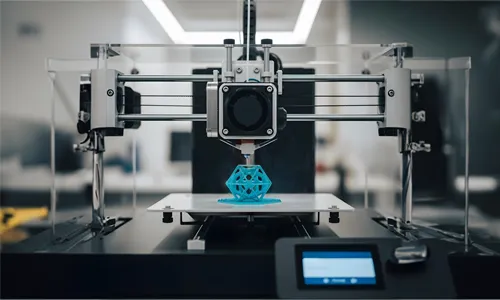
3D printing begins with designing or downloading a 3D model. The printer then reads that model and deposits material — usually plastic filament, resin, or metal — layer after layer until the object is fully formed. Think of it like building with digital Lego bricks, but automatically and with extreme precision.
Popular 3D Printing Technologies
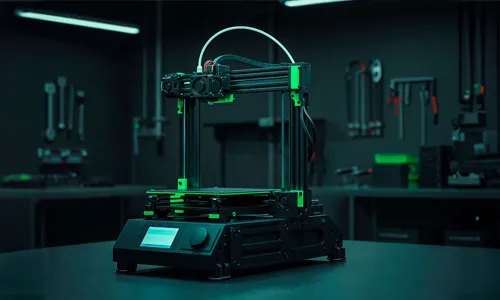
Different 3D printers use different methods, but these are the most common:
FDM (Fused Deposition Modeling)
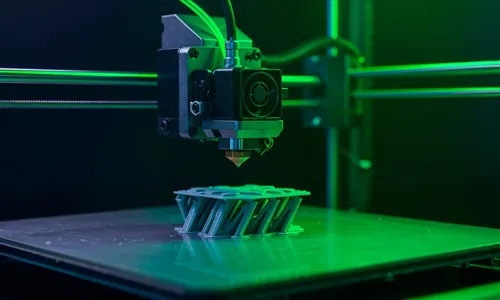
- Uses heated plastic filament
- Best for beginners, home users, and students
SLA (Stereolithography)
- Uses liquid resin and laser curing
- Best for miniatures, art, and high-detail projects
SLS (Selective Laser Sintering)
- Fuses powdered material using a laser
- Best for business, engineering, and industrial prototyping
Each type caters to different creative and professional needs, making 3D printing a tool that scales with ambition.
Where 3D Printers Are Making a Difference
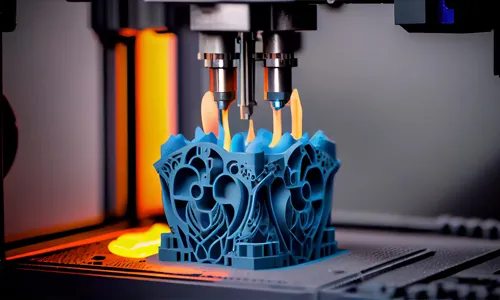
The impact of 3D printing goes far beyond hobby projects. Today, 3D printers are powering innovation in:
- Healthcare – prosthetics, implants, dental models
- Automotive – car parts and rapid prototyping
- Fashion – custom jewelry and wearable art
- Construction – 3D-printed houses and structures
- Education – hands-on student learning
What once required large factories can now be done on a desktop — reducing cost, waste, and production time.
Are 3D Printers Difficult to Use?
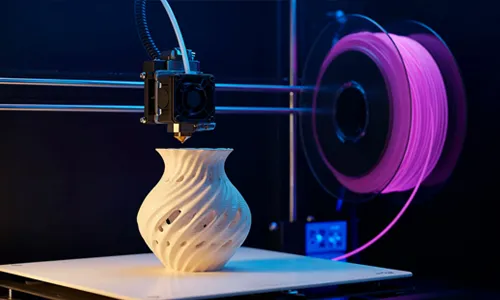
Not anymore. Today’s consumer models are designed for ease of use with beginner modes, mobile apps, auto-calibration, pre-designed models, and large online communities that help new users get started.
Should You Buy a 3D Printer?
Consider one if:
- You enjoy DIY or artistic projects
- You frequently need custom parts or models
- You run a small business that benefits from prototypes
- You’re learning design, engineering, or manufacturing
From affordable entry-level printers to professional industrial machines, there’s a model for every purpose and budget.
Everything You Must Know About 3D Printers
Are 3D printers expensive?
Entry-level models start low, while professional ones cost more depending on features and build quality.
Is 3D printing safe at home?
Yes, when used with ventilation and proper handling of heated materials or resin.
Can 3D printers print metal?
Yes, but metal 3D printers are mainly used in industry due to the high cost.
Do I need design skills to start 3D printing?
No — many free pre-designed models are available online for instant printing.
How long does a 3D print take?
Anywhere from minutes to hours depending on size, material, and complexity.



The Top 10 Hackers in the World and the Countries Behind Them
When the Virtual Becomes Real: How Cyberattacks Can Cause Physical Harm
The Future of Vision: Exploring the Potential of Augmented Reality Contact Lenses
Smart Home Ready: How Fiber Internet Powers the Modern Household