Google Apps discontinues basic package, asks new customers to up $50 per user for premium
Featured
Dec 7, 2012 |
administrator
Looking towards Mountain View to provide a suite of digital tools for your new business? Make sure to pen per-user costs into your ledger -- Google Apps isn't free anymore. According to Google's enterprise blog, the basic Google Apps package is being abandoned to streamline the service, offering businesses a single, $50 per user option that promises 24/7 phone support, 25GB inboxes and a 99.9% uptime guarantee. Pre-existing free customers can still hum along unmolested, of course, and the standard pricing doesn't apply to schools or universities, either. Personal Google accounts are still free too, doling out gratis Gmail and Driveaccess to anyone with a unique user name. The team hopes that streamlining the Apps will allow it to provide better service, possibly offering enterprise users new features on a faster timetable.
Looking towards Mountain View to provide a suite of digital tools for your new business? Make sure to pen per-user costs into your ledger -- Google Apps isn't free anymore. According to Google's enterprise blog, the basic Google Apps package is being abandoned to streamline the service, offering businesses a single, $50 per user option that promises 24/7 phone support, 25GB inboxes and a 99.9% uptime guarantee. Pre-existing free customers can still hum along unmolested, of course, and the standard pricing doesn't apply to schools or universities, either. Personal Google accounts are still free too, doling out gratis Gmail and Driveaccess to anyone with a unique user name. The team hopes that streamlining the Apps will allow it to provide better service, possibly offering enterprise users new features on a faster timetable.
Blockchain is a decentralized, distributed ledger that records transactions across multiple computers. It ensures transparency, security, and immutability in data storage.
AR overlays digital information onto the real world through devices like smartphones or AR glasses, enhancing the user's perception of the environment.
IoT refers to the network of interconnected devices that communicate and share data. It enables smart homes, wearable tech, and efficient industrial processes.
AI involves creating computer systems capable of performing tasks that typically require human intelligence. It includes machine learning, natural language processing, and computer vision.
VR creates a simulated environment that users can interact with. It typically involves the use of VR headsets to provide an immersive experience.
Cybersecurity is the practice of protecting computer systems, networks, and data from digital attacks. It includes measures like firewalls, antivirus software, and encryption.



Solana’s Worth in Future: What Could 1 SOL Be Worth?
How to Wake Up the System From Sleep Mode on Any Computer
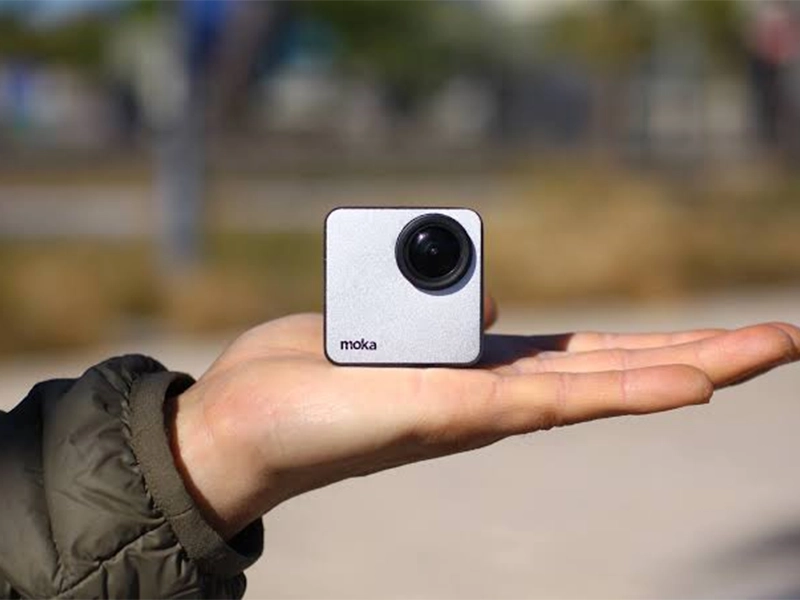
The Mokacam 4K Sports and Action Camera: Tiny but Powerful
How to Choose the Best Document Scanner for Your Needs