Virtual reality no longer feels like science fiction. What once belonged to gaming arcades and experimental labs now enters homes, offices, hospitals, and classrooms. When we talk about VR and the future, we talk about a technology that actively reshapes how people learn, work, play, and connect. VR Is Moving Beyond Gaming Gaming gave VR its first real audience, but the future stretches far beyond entertainment. Developers now use VR to create immersive training environments where mistakes carry no real-world risk. Companies train employees using virtual simulations. Pilots, surgeons, and engineers practice complex tasks inside realistic digital worlds. These experiences improve skill retention because VR engages the brain more deeply than screens ever could. The Workplace Is Going Virtual Remote work pushed VR into serious conversations about productivity. Instead of flat video calls, VR allows teams to meet in shared...
Virtual reality no longer feels like science fiction. What once belonged to gaming arcades and experimental labs now enters homes, offices, hospitals, and classrooms. When we talk about VR and the future, we talk about a technology that actively reshapes how people learn, work, play, and connect.
VR Is Moving Beyond Gaming
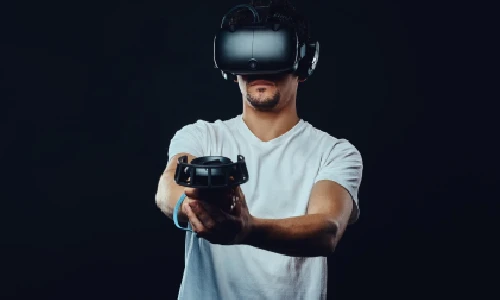
Gaming gave VR its first real audience, but the future stretches far beyond entertainment. Developers now use VR to create immersive training environments where mistakes carry no real-world risk.
Companies train employees using virtual simulations. Pilots, surgeons, and engineers practice complex tasks inside realistic digital worlds. These experiences improve skill retention because VR engages the brain more deeply than screens ever could.
The Workplace Is Going Virtual
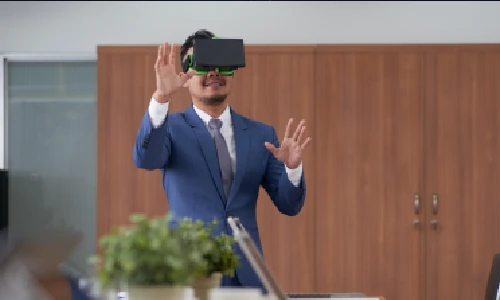
Remote work pushed VR into serious conversations about productivity. Instead of flat video calls, VR allows teams to meet in shared virtual spaces. Employees can collaborate, present ideas, and brainstorm as if they occupy the same room.
As hardware becomes lighter and more affordable, VR and the future of work begin to overlap. Virtual offices may soon feel as natural as physical ones, especially for global teams.
Healthcare Is Embracing VR at Speed
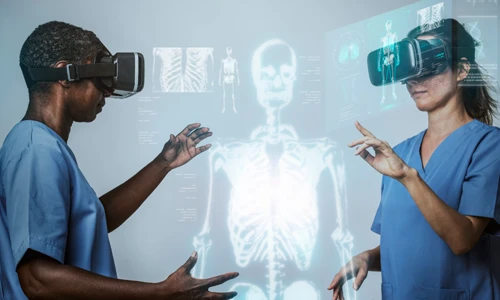
Healthcare already shows how powerful VR can become. Doctors use VR for surgical planning, pain management, and mental health therapy. Patients facing anxiety, PTSD, or chronic pain benefit from controlled virtual environments that help reduce stress and discomfort.
Medical schools also use VR to train students without risking patient safety, accelerating learning while improving outcomes.
Education Is Becoming Experiential
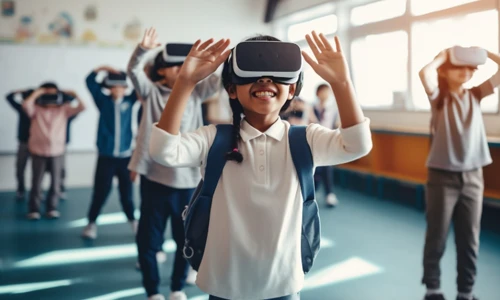
Traditional education relies heavily on textbooks and lectures. VR changes that model completely. Students can explore ancient cities, walk through the human body, or conduct science experiments inside virtual labs.
This hands-on approach keeps learners engaged and improves understanding, especially for complex subjects.
Challenges Still Shape VR’s Growth
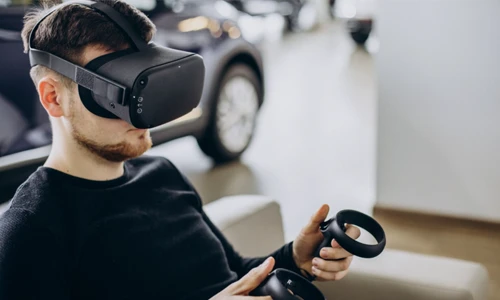
Despite its promise, VR still faces obstacles. High hardware costs, motion sickness, and limited content slow mass adoption. However, companies continue to refine headsets, improve displays, and reduce latency with each generation.
When we look at VR and the future, we see more than headsets and simulations. We see a shift in how humans experience digital information. Virtual reality moves us from observing technology to stepping inside it. As VR becomes more accessible, its influence will spread quietly but deeply across everyday life.

Solana’s Worth in Future: What Could 1 SOL Be Worth?
How to Wake Up the System From Sleep Mode on Any Computer
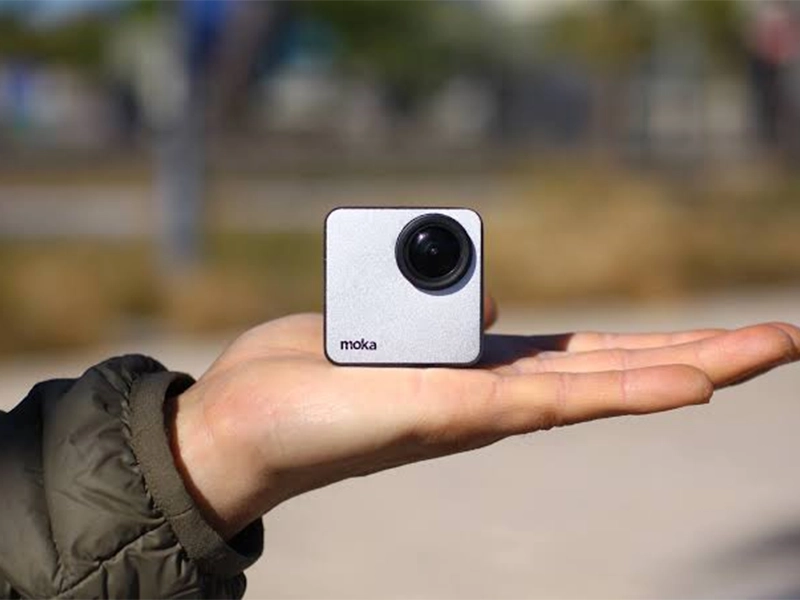
The Mokacam 4K Sports and Action Camera: Tiny but Powerful
How to Choose the Best Document Scanner for Your Needs