In the world of modern application development, where artificial intelligence, real-time data, and cloud scaling are becoming standard expectations, the Couchbase database platform stands out as an adaptable, performance-oriented choice. Originally known for its NoSQL roots, Couchbase has evolved into a unified data solution that supports a wide range of workloads — from mission-critical applications to AI-driven systems. Let’s dive into what makes Couchbase relevant today, how it’s adapting to new demands, and why developers and enterprises are paying attention. What Is the Couchbase Database Platform? At its core, Couchbase is a cloud-native, distributed database that combines the flexibility of NoSQL document storage with powerful querying, indexing, and scalability. It supports both operational and analytical workloads, making it suitable for applications that require speed, real-time performance, and adaptable data models. Over recent years, the platform has expanded beyond traditional database...
In the world of modern application development, where artificial intelligence, real-time data, and cloud scaling are becoming standard expectations, the Couchbase database platform stands out as an adaptable, performance-oriented choice. Originally known for its NoSQL roots, Couchbase has evolved into a unified data solution that supports a wide range of workloads — from mission-critical applications to AI-driven systems.
Let’s dive into what makes Couchbase relevant today, how it’s adapting to new demands, and why developers and enterprises are paying attention.
What Is the Couchbase Database Platform?
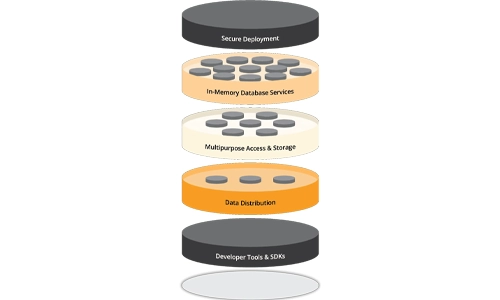
At its core, Couchbase is a cloud-native, distributed database that combines the flexibility of NoSQL document storage with powerful querying, indexing, and scalability. It supports both operational and analytical workloads, making it suitable for applications that require speed, real-time performance, and adaptable data models.
Over recent years, the platform has expanded beyond traditional database roles and is increasingly focused on enabling AI and adaptive applications.
How Couchbase Is Evolving for Today’s Tech Needs
AI-Ready Capabilities
Couchbase has been enhancing its database platform to support AI applications more effectively. That includes:
- High-performance vector search and indexing that handles billions of vectors at millisecond speed — a crucial feature for AI features like semantic search and recommendation systems.
- Integration with LangChain and LlamaIndex to help developers tie large language models into their data workflows.
- Comprehensive AI Services that unify data, models, and governance into a single platform — reducing complexity for building agentic AI applications.
These enhancements show a clear shift: Couchbase isn’t just a storage engine anymore — it’s a platform that supports data-intensive, AI-driven applications from cloud to edge environments.
Unified Data for Multiple Workloads
One of Couchbase’s strengths is its ability to combine operational functionality (transactions and fast key-value access) with analytical needs (reporting and insight generation) — all within one system. Instead of using multiple data stores for different tasks, developers can manage diverse workloads with fewer systems, reducing architectural complexity.
This unified approach simplifies development and can boost performance for applications that need both speed and insight.
Recent Business and Market Moves
In 2025, shareholders approved a significant acquisition of Couchbase by private equity firm Haveli Investments in an all-cash deal valued around $1.5 billion, marking a shift from publicly traded to private ownership.
The transition reflects broader trends in enterprise data platforms: investors are betting on long-term demand for scalable, AI-ready infrastructure as businesses modernize their software stacks. This shift is also reshaping leadership and operations within the company.
Capella DBaaS and Edge Focus
Couchbase’s cloud offering — Capella — continues to grow, enabling developers to build applications that work seamlessly across cloud, on-premises, and edge environments. Recent updates have even introduced advanced edge features, allowing applications to run reliably even with intermittent connectivity.
This flexibility is especially useful for mobile apps, IoT scenarios, or distributed systems where consistent connectivity can’t be assumed.
Where Couchbase Fits Today’s Tech Stack
Organizations using the Couchbase database platform often do so for:
- Real-time personalization and recommendation engines
- AI-enhanced search and semantic analysis
- Mobile and offline-first applications
- Hybrid cloud infrastructure
- Adaptive, agentic AI development
Because of its scalable architecture and rich integration options, Couchbase can support modern app needs that go beyond traditional database requirements.
Market Reception and Performance
Even before its acquisition, Couchbase had shown solid financial momentum, reporting stronger revenues and recurring revenue growth as demand for flexible database systems rose.
While some observers note that adoption among hobbyist developers may lag behind more mainstream databases like MongoDB or PostgreSQL, Couchbase has carved out a niche among enterprises looking for high-performance, multipurpose solutions.
The Couchbase database platform has grown from a niche NoSQL system into a modern, adaptable data engine that supports AI, real-time applications, and cloud-native architectures. With advanced vector search, integrated AI services, and a unified approach to data workloads, it offers developers and businesses powerful tools for building the next generation of intelligent applications.
As data demands evolve — especially in AI and distributed computing — platforms like Couchbase are redefining what it means to build scalable, responsive, and future-ready software.




Solana’s Worth in Future: What Could 1 SOL Be Worth?
How to Wake Up the System From Sleep Mode on Any Computer
The Mokacam 4K Sports and Action Camera: Tiny but Powerful
How to Choose the Best Document Scanner for Your Needs